
























Fiberfill and Polyester Wadding: Complete Guide
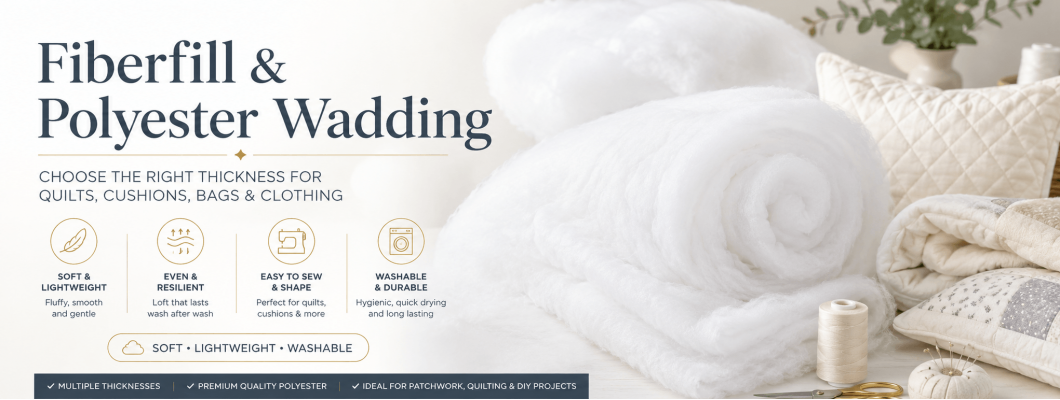
Fiberfill and Polyester Wadding – Everything You Need to Know about Filling and Wadding
You have spent hours sewing the perfect cushion. The fabric is right, the seams are neat, the zipper runs smoothly. And then comes the moment of truth: putting in the filling. You stuff in some old blanket filling, sew it closed — and the result looks like a sack of potatoes. Sound familiar? Filling can make or break a project. And once you know which filling to use and when, you will never make that mistake again.
What is the difference between fiberfill and polyester wadding?
We get this question regularly — and the answer is actually very simple. Both are made from fine polyester fibres, but the form is different:
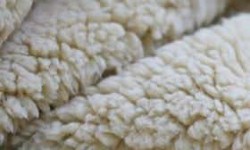
Fiberfill is the loose, fluffy version. Think of the stuffing inside a soft toy or a soft decorative cushion — airy, easy to distribute and simple to top up. You buy it by the bag, and you add as much as you want. More filling for a firm, full cushion. Less for a softer, springier result.
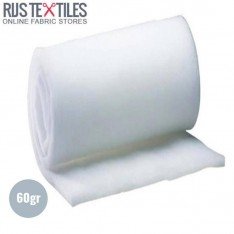
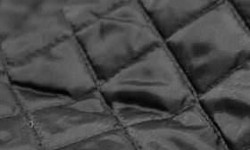
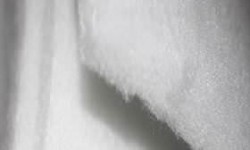
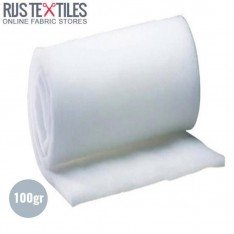
Polyester wadding — also called wadding or batting — uses the same basic material, but is compressed into an even, fixed layer. You buy it by the metre from the roll, in different thicknesses from 60 to 400 grams per m². Ideal for quilts, quilted jackets and bags where you need a consistent layer thickness across a large surface.
In short: fiberfill for filling shapes, polyester wadding for creating layers.
Which Thickness Should You Choose?
This is the question most people ask — and rightly so. The thickness of your wadding largely determines how your finished product feels, drapes and functions. Here is a practical guide:
60 grams per m² – as light as a feather
The lightest version is barely noticeable as a layer, but still gives that little bit of body a quilted bag or pouch needs. Ideal for projects where you hardly want to feel the filling, but still want a finished, structured look. Think laptop bags, pouches, quilted placemats and light summer jackets.
100 grams per m² – the versatile all-rounder
This is the best-selling thickness — and not by accident. 100 grams per m² is light enough for clothing and bags, but substantial enough for quilts and cushions. If you are not sure which thickness to choose, start here. You can always use two layers for a thicker filling.
150 grams per m² – that little bit extra
Slightly softer, slightly fuller — 150 grams per m² is the perfect choice for decorative cushions that need to look luxurious. Also popular as interlining for light winter jackets and quilted bodywarmers where warmth is desired without becoming too heavy.
200 grams per m² – warmth and comfort
This is where things start to get serious in terms of warmth. 200 grams per m² is the go-to choice for winter cushions with a full, cosy feel, throws that keep you warm on the sofa, and quilted jackets for cold weather. The step up from 100 to 200 grams is immediately noticeable in your hands.
300 grams per m² – for larger projects
A blanket, a large outdoor seat cushion, a quilted jacket for real cold weather — that calls for 300 grams per m². This thickness gives finished products a luxurious, full feel that really makes a difference. Also popular for camping mats and outdoor accessories where insulation matters.
400 grams per m² – maximum insulation
The heaviest version is for those who really mean business. Sleeping bags, heavy winter blankets, extra thick outdoor chair cushions — with 400 grams per m² you know the cold does not stand a chance. Not for small decorative pieces, but for serious winter projects.
Fiberfill: how many grams do you need?
A common question with loose fiberfill is: how many grams do I need for my project? Here are a few useful guidelines:
- Decorative cushion 40×40cm: approx. 200–300 grams for a medium filling, 400–500 grams for an extra full cushion
- Decorative cushion 50×50cm: approx. 300–400 grams for a medium filling, 500–600 grams for an extra full cushion
- Soft toy, medium size: approx. 100–200 grams
- Pouffe or beanbag, large: 2–5 kilograms, depending on the size and desired firmness
Our tip: always buy a little more than you think you need. Fiberfill is affordable, and a cushion that is just a bit too flat is disappointing. Adding extra filling is always easier than taking it out.
What Can You Make?
More than you might think. Fiberfill and polyester wadding are essential for a wide range of projects — from practical to decorative, from small to large.
Cushions and decorative cushions
The classic choice. Whether you are making a matching set of decorative cushions for the sofa, sewing a personalised cushion as a gift or creating a pile of floor cushions for a children’s room — fiberfill is your best friend. Use loose fiberfill for round and irregular shapes, and wadding by the metre for flat, rectangular cushions where an even thickness is desired.
Quilts and patchwork
Quilting without good batting is like pizza without cheese — technically possible, but why would you? Polyester wadding is the standard choice for quilts because it is light, easy to sew and machine washable. Use 100 grams per m² for light summer quilts and 200–300 grams per m² for warm winter quilts.
Quilted clothing
A quilted jacket, bodywarmer or gilet — with polyester wadding you can make them yourself. The big advantage compared with ready-made quilted fabrics: you choose the thickness, outer fabric and colour yourself. 100–150 grams per m² for spring/autumn clothing, 200–300 grams per m² for proper winter jackets.
Quilted bags and accessories
A quilted laptop bag, a padded pouch, a lined shopping bag — polyester wadding gives bags that extra protection and structure that makes all the difference. Use 60–100 grams per m² for subtle reinforcement, or 150–200 grams per m² for extra protection of fragile contents.
Soft toys, dolls and toys
Loose fiberfill is the perfect filling for handmade soft toys and dolls. The material is soft, safe for children, non-allergenic and machine washable — exactly what you want in a soft toy that goes everywhere. Do not fill too tightly if you want a softer, cuddlier feel.
Interior and decoration
Wall cushions, decorative hangers, filled Christmas baubles, garlands, chair cushions, pouffes — fiberfill and polyester wadding feel just as at home in interiors as in clothing. Their non-allergenic properties also make them suitable for bedroom decoration.
Working with It: How to Do It Properly
Polyester wadding and fiberfill are not difficult to work with, but a few tips can make a big difference to the final result.
Cutting
Use sharp scissors or a rotary cutter — blunt tools pull the fibres along and create ragged edges. Lay the wadding flat on a cutting mat and cut in one smooth motion. With thicker versions (300–400 grams per m²), it can help to compress the wadding slightly before cutting.
Sewing
Use a universal needle size 80–90 for most thicknesses. For 300–400 grams per m², a jeans or leather needle can help with smoother feeding. Set your stitch length to 2.5–3mm — stitches that are too small make the wadding stiff. Always sew wadding as an inner layer with the outer fabric and lining around it, never as the outermost layer.
Stuffing with fiberfill
Always add fiberfill in small amounts at a time — this allows you to distribute the filling evenly and prevents lumps. With angular shapes such as cushions, start in the corners and work towards the centre. Use a pencil or knitting needle to push the filling into narrow parts, such as arms and legs of dolls.
Washing and Care
Good news: polyester filling is one of the easiest materials to maintain.
- Machine washable at 40°C with a mild detergent
- Do not bleach — polyester does not need bleach, and it can damage the fibres
- Tumble dry on low temperature or air dry — high temperatures can cause polyester fibres to clump together
- Fiberfill in cushions: wash the finished product inside out or turned over to keep the filling evenly distributed
- After drying: shake cushions and soft toys well to air the filling and loosen any small lumps
Polyester or Natural Filling?
Polyester fiberfill has several clear advantages compared with natural alternatives such as down, kapok or wool:
- Non-allergenic: suitable for people with allergies to down or wool — no dust mites
- Washable: down requires specialist cleaning, polyester does not
- Shape-retaining: polyester collapses less quickly than down filling
- Price: polyester is significantly cheaper than quality down
- Vegan: 100% synthetic, no animal products
Would you still prefer a more natural alternative? Take a look at our haberdashery collection for additional options.
Ready to Get Started?
Whether you want to make a stack of decorative cushions, pad a quilt or sew a quilted winter jacket — good filling is the foundation of a professional result. And with six thicknesses of polyester wadding and loose fiberfill in stock, Rijs Textiles always has the right filling for every project.
View our full range of fiberfill and polyester wadding and choose the thickness that suits your next project.
Happy sewing!
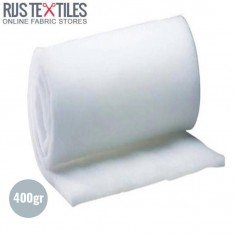
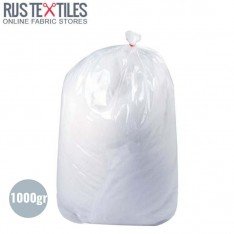
-234x234.jpg "Polyester Filling 1000 Gram")
≥ 10# € 5.95 Incl. Tax.
≥ Need more? Email us for a quote.
Wholesale prices for this item are directly being applied. Intra-community supply? Register with your VAT number and Select "Wholesale quotation" as payment option.